• Twitter
  • LinkedIn
  • Facebook
Leave Your Message
0%

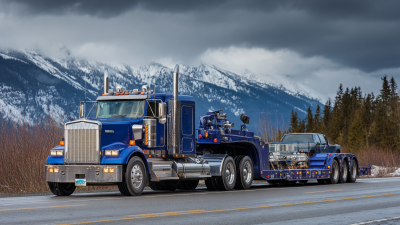
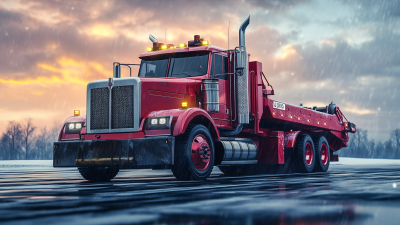
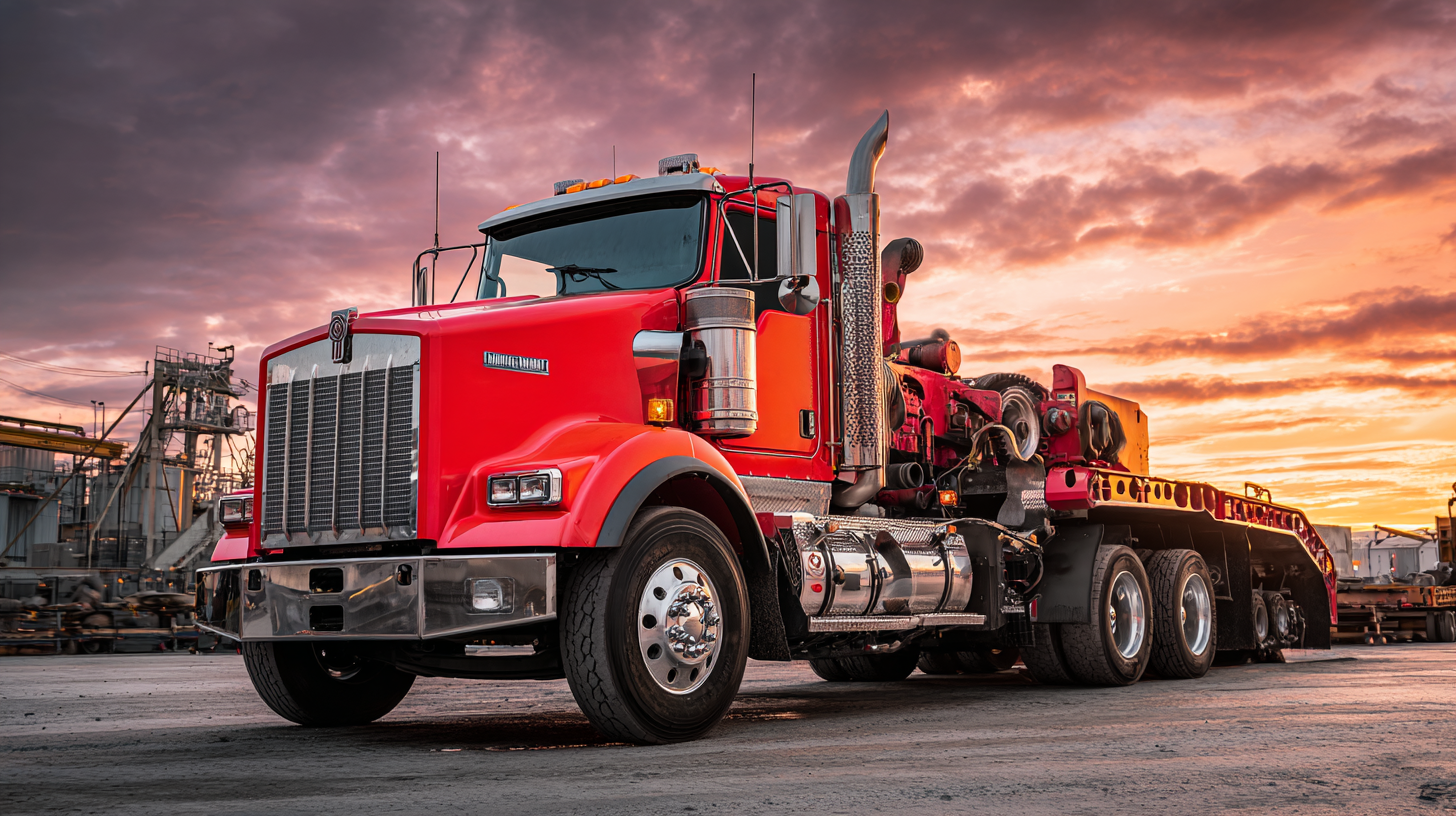
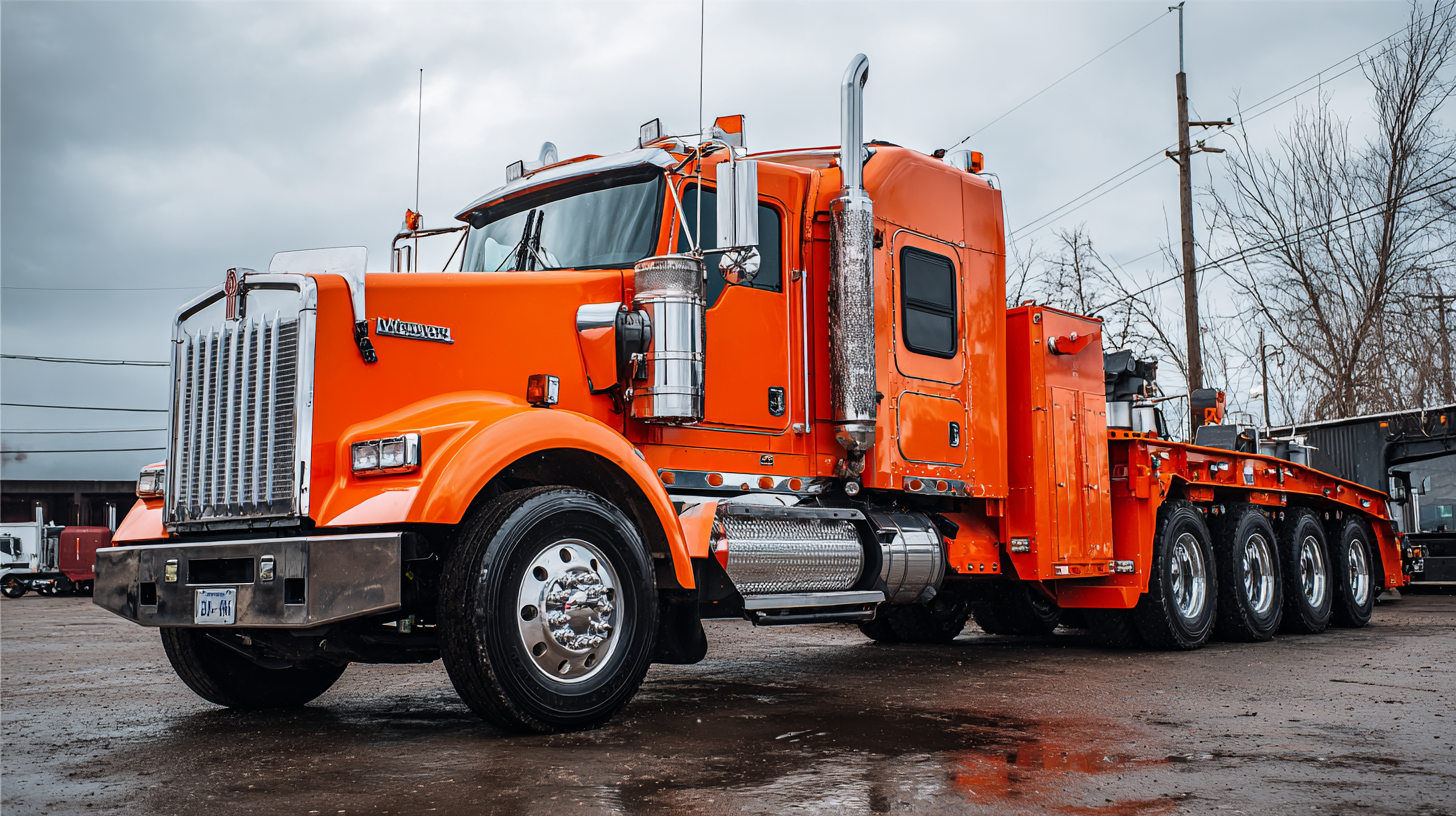
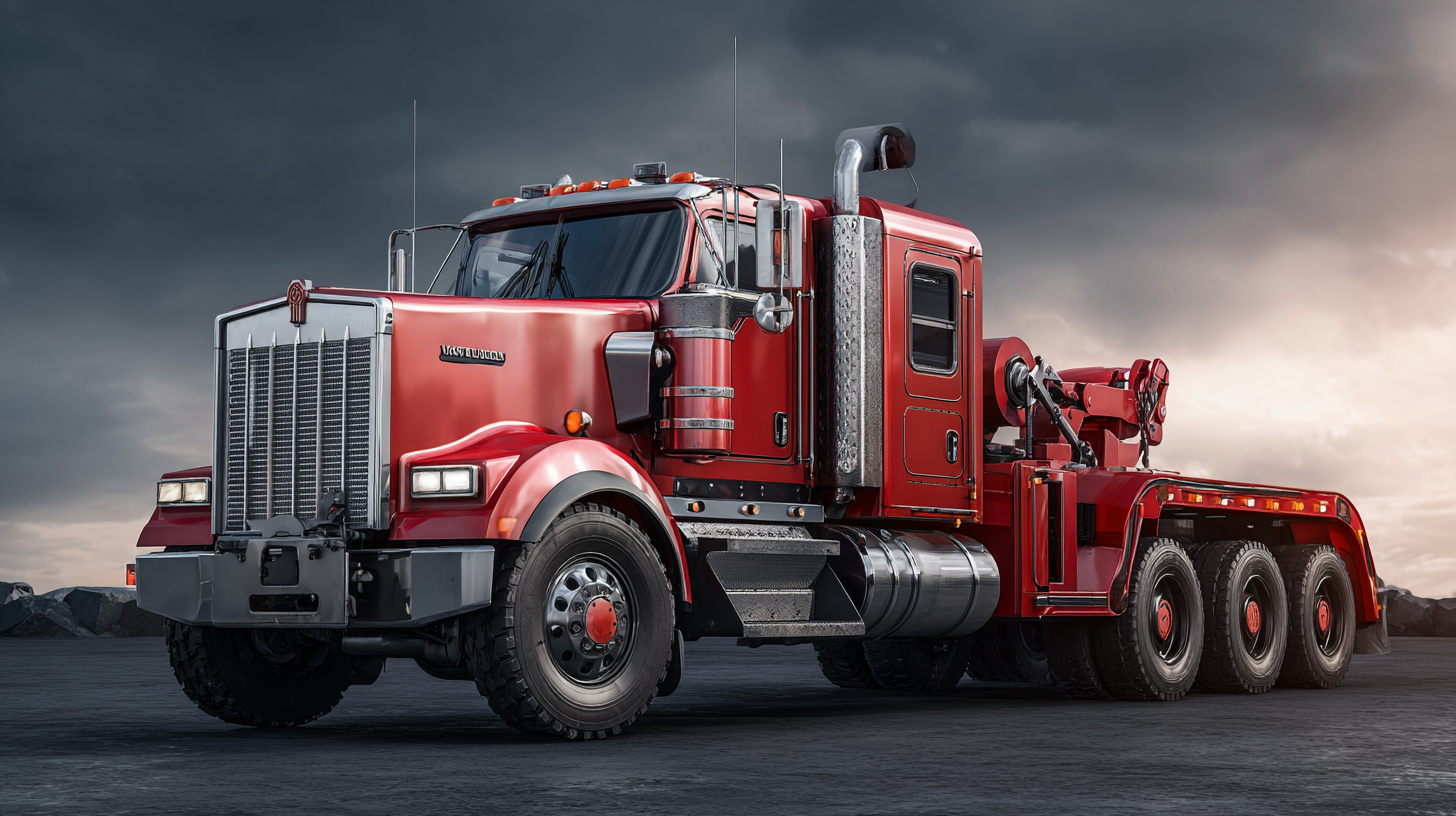
Lately, there's been a real surge in demand for Heavy Haul Tow Trucks in the transportation world, and honestly, it’s changing how companies handle moving those massive loads. If you’ve been keeping up with the latest industry chatter, you’d know the global heavy haul trucking market is expected to hit around $15 billion by 2027. That growth? It’s mainly fueled by more infrastructure projects and a real need for smarter, more efficient ways to move oversized cargo. At DEYANG HONGKAI AUTO TRADING CO., LTD., we totally see these trends and are shifting our focus beyond just China—now we’re looking internationally, especially in the refurbished truck scene.
The Ultimate Guide to Heavy Haul Tow Trucks for Efficient Overweight Load Transport

We’re dedicated to offering top-notch heavy haul tow trucks because we want to help industries that really need reliable gear to tackle complex transportation challenges. So, this guide’s gonna give you some handy tips and insights on how to make the most of Heavy Haul Tow Trucks, making sure your operations stay smooth, efficient, and fully up to industry standards.

Understanding Heavy Haul Tow Trucks: An Overview of Alternatives

When you're dealing with transporting heavy loads, it’s pretty important to know the different options beyond just heavy haul tow trucks. Those trucks are built tough, with big towing capacities and sturdy frames, making them perfect for moving oversized or super-heavy vehicles. But honestly, there are quite a few other solutions out there that might actually be more practical, depending on what you’re hauling.

One popular alternative is using lowboy trailers — they’re designed specifically to carry heavy equipment and machinery. What’s great about them is their lower deck height and more stable base, which just makes loading and unloading way safer and easier. Another good choice is specialized flatbed trucks. These can be fitted with extra reinforcements to handle really heavy or oversized loads. Each of these options has its perks — like better versatility, easier access, or custom configurations — so they can be tailored pretty specifically to what you need.

Getting to know these different options really helps logistics folks pick the right solution for each job, making sure everything gets transported safely and efficiently. It’s all about choosing the right tool for the job, after all!

Key Features of Alternative Tow Truck Models for Heavy Loads

When you're looking at heavy haul tow trucks, it’s really helpful to know about some of the top alternatives—this can actually make your job a lot easier when hauling overweight loads. The Ultimate Guide to Heavy Haul Tow Trucks for Efficient Overweight Load Transport One popular option is the lowboy trailer tow truck. It’s great for hauling heavy machinery and big construction gear because of its low deck height. That low setup not only makes loading and unloading safer but also helps keep everything stable during the trip. Honestly, it’s pretty much everyone’s go-to choice when dealing with tall, bulky loads.

Then there’s the rotator tow truck, which is kind of the heavy-duty superhero of recovery vehicles. These guys come with powerful booms and multiple winches, so they’re really built to handle complex heavy lift work. They’re super versatile, easily maneuvering into tight spots, and their robust strength helps lift and move oversized cargo safely. Plus, their special pivoting design makes repositioning loads smooth and effortless, so you don’t have to worry about safety or efficiency taking a hit while shifting heavy stuff around.

Comparative Analysis: Conventional vs. Alternative Heavy Haul Solutions

When it comes to heavy haul transport, choosing the right type of truck can really make a difference in how smoothly things run—especially with those really heavy loads. Traditionally, most folks have relied on trusty heavy haul trucks with big diesel engines and tough designs — you know, the classics of the industry. The American Trucking Association mentions that this sector’s expected to grow around 3% a year, which just goes to show how vital these trucks are for getting stuff from point A to B. But, let’s be honest, they’ve got their downsides, like not-so-great fuel economy and the increasing pressure from environmental rules.

The Ultimate Guide to Heavy Haul Tow Trucks for Efficient Overweight Load Transport

On the flip side, we’re seeing more buzz around electric and hybrid heavy haul trucks. Thanks to advances in tech, these options are becoming more practical and start gaining some serious traction. A recent report from the International Council on Clean Transportation even suggests that electric heavy-duty trucks could slash greenhouse gas emissions by up to 90% compared to traditional diesel ones. For a company like DEYANG HONGKAI AUTO TRADING CO., LTD., that’s branching out into international trade and refurb trucks, it’s definitely worth considering how to incorporate these innovative solutions. Focusing on eco-friendly practices while still keeping things running efficiently isn’t just about following rules — it’s about meeting what customers are increasingly expecting these days.

Cost-Effectiveness of Alternative Methods in Overweight Load Transport

When it comes to hauling heavy loads, saving costs is a pretty big deal. Lately, a bunch of studies have shown that optimizing how we transport freight can really save a lot of money. For instance, India’s trying to cut its logistics costs from about 14% of its GDP down to just 8%, mostly by moving more freight onto railways and making trucks run more efficiently. These kinds of strategies do more than just save cash — they also help cut down on the environmental impact of heavy transportation.

On top of that, folks are exploring new tech to make transporting overweight loads cheaper and more effective. By using advanced data analytics and smarter route planning, companies can burn less fuel and spend less time on the road. Industry experts say that these tech-powered solutions could cut operational costs by up to 20%. That’s a pretty big deal, making heavy haul logistics not just better for the environment but also way more financially sensible. It’s definitely a game-changer for businesses trying to balance efficiency with tight budgets.

Industry Standards and Compliance for Alternative Heavy Haul Options

When you're dealing with the tricky world of hauling heavy loads, it's super important to really get a handle on industry rules and making sure you're compliant. The Federal Highway Administration (FHWA) sets the limits for how much weight vehicles can carry on public roads. According to the folks at the National Truck Equipment Association (NTEA), if your vehicle exceeds those limits, you might need special permits. Plus, it's a good idea to stay in the loop about different state regulations so you don’t end up with fines or, worse, accidents. This is especially key when you’re thinking about alternative heavy-hauling options, because some regulations can be pretty inflexible and might slow down your transport plans.

**Tip:** Before you hit the road for any heavy load, double-check the route’s weight limits and make sure you've got all necessary permits in hand—that way, you're playing it safe and legal.

On top of that, options like multiaxle setups or specialized trailers can give you more flexibility. But they come with their own rules to follow. The Department of Transportation (DOT) recommends doing a thorough pre-trip check — things like making sure the load’s evenly distributed, loads are secured properly, and everything meets safety standards. Data shows that roughly 15% of heavy haul accidents happen because loads weren’t handled correctly, so paying attention to these details really matters.

**Tip:** Invest in training your drivers and crew on how to handle loads properly, how to secure everything just right, and stay compliant. It’s all about keeping everyone safe and avoiding trouble down the road.

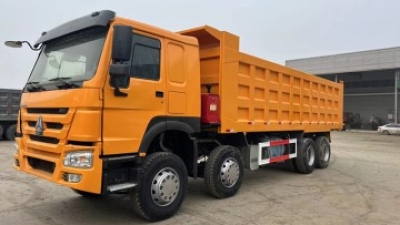
Exploring the Performance Metrics and Market Trends of Howo Dump Truck 8*4 371-420hp: Industry Insights for 12 Wheeler Trucks

In the realm of heavy-duty vehicles, the Howo 8×4 dump truck stands out with its robust performance metrics and remarkable market presence. Specifically, the 371-420hp models, particularly those equipped with the Sinotruk WD615.95E engine, offer an impressive power output of 273 kW and a torque of 1350 N·m. This powerful engine, combined with a 9.726L displacement, ensures that the truck can handle demanding tasks with ease, making it a top choice for industries requiring dependable transportation for heavy loads.

The design of the Howo dump truck emphasizes not just power, but also practicality and efficiency. The spacious cargo box is built for durability, allowing operators to transport significant volumes without compromising on stability or safety. This feature is particularly crucial in construction and mining sectors where heavy loads are the norm. Additionally, the truck’s chassis is designed for superior strength, which boosts its load capacity and enhances its reliability under challenging conditions. The Howo 8×4 dump truck is not only cost-effective but also easy to operate, making it a competitive choice for businesses looking to invest in high-performance machinery that provides lasting value.

As market trends continue to gravitate towards efficiency and reliability, the Howo 8×4 models embody these characteristics, securing their position within the industry. The ongoing demand for versatile and sturdy trucks underscores the necessity for vehicles that can withstand the rigors of modern logistics while delivering optimal performance. For businesses focused on maximizing productivity without overstretching their budgets, the Howo dump truck emerges as a commendable option, aligning with both market needs and operational expectations.

FAQS

: What are heavy haul tow trucks designed for?

: Heavy haul tow trucks are specially designed with enhanced towing capacities and robust frameworks to transport oversized and heavy vehicles.

What are some alternatives to heavy haul tow trucks?

Alternatives include lowboy trailers, which have a lower deck height for easier loading and unloading, and specialized flatbed trucks that can be reinforced to accommodate heavy and oversized loads.

Why might a logistics manager choose alternatives over heavy haul tow trucks?

Alternatives may offer increased versatility, ease of access, and various configurations that can be tailored to meet specific transport needs, thus ensuring safety and efficiency.

How do conventional heavy haul trucks differ from alternative solutions?

Conventional heavy haul trucks typically have traditional diesel engines and designs, while alternative solutions, like electric or hybrid trucks, focus on reducing emissions and improving fuel efficiency.

What is the potential reduction in greenhouse gas emissions when using electric heavy-duty trucks?

Electric heavy-duty trucks could cut greenhouse gas emissions by up to 90% compared to diesel trucks.

How can shifting freight modes impact logistics costs?

Optimizing freight transportation can lead to substantial savings, such as India's goal to reduce logistics costs from 14% of GDP to 8% by shifting more freight to rail and enhancing truck utilization.

What role do technological innovations play in overweight load transport?

Technological innovations, including advanced data analytics and route optimization, can significantly reduce fuel consumption and operational costs, making transport more sustainable and economically viable.

By what percentage can operational costs potentially decrease through optimized transport methods?

Utilizing optimized transport methods can result in a decrease of operational costs by up to 20%.

What is the significance of balancing efficient logistics with cost management?

As companies strive to improve logistics efficiency, balancing this with cost management is essential to remain competitive and meet both operational and regulatory demands.

How are environmental regulations influencing heavy haul transport solutions?

Increasing pressure to reduce emissions is driving the adoption of electric and hybrid trucks, reflecting a shift towards more sustainable practices in the heavy haul transport sector.

Conclusion

In today’s busy world of logistics, Heavy Haul Tow Trucks are truly essential when it comes to moving those massive, overweight loads. If you’re wondering about the different options out there beyond your usual heavy haul setups, this guide is a great place to start. We’ll walk you through the key features and benefits of various tow truck models designed specifically for heavy-duty tasks. Plus, we’ll compare these alternatives to show you their unique advantages—especially when it comes to saving costs and sticking to industry standards.

At DEYANG HONGKAI AUTO TRADING CO., LTD., we totally get how important these specialized trucks are, especially as we expand our worldwide trade of refurbished vehicles. Knowing the ins and outs of Heavy Haul Tow Trucks doesn’t just help us make smarter trading choices; it also means our clients can better plan their transport strategies—making sure big, bulky cargo moves smoothly and efficiently without a hitch.
Ethan

Ethan

Ethan is a dedicated marketing professional at DEYANG HONGKAI AUTO TRADING CO., LTD., a company established in Sichuan Province, China, specializing in truck trading within the domestic market. His expertise in the automotive sector allows him to possess an exceptional understanding of the......
Previous Unimog Parts in 2025 Future Innovations and Strategies for Global Buyers